
In the midst of Hollywood glitz and glamour, there is an underbelly that is overlooked, unacknowledged and certainly under-appreciated. Black writers, actors and creatives are massive contributors to the film and music industry; however, they are hardly recognized by mass media. Across art forms, including fashion, film and music, Black culture has given endlessly–willingly and unwillingly. Notable actors such as Sidney Poitier, Eartha Kitt and more, were often excluded from major Hollywood productions, except if they depicted racist stereotypes.
As artists have been ostracized and given surface-level roles which only fulfill prejudiced beliefs in the industry, many creators have sought out to create protected spaces for themselves and fellow artists. One of the most prevalent examples of this is Motown. Berry Gordy Jr. is the founding father of Motown Records, which he started in Detroit, Michigan. In a time when African-Americans faced extreme prejudice and Black artists were given little creative freedom, Motown dominated the music industry, producing jazz, pop and soul music.
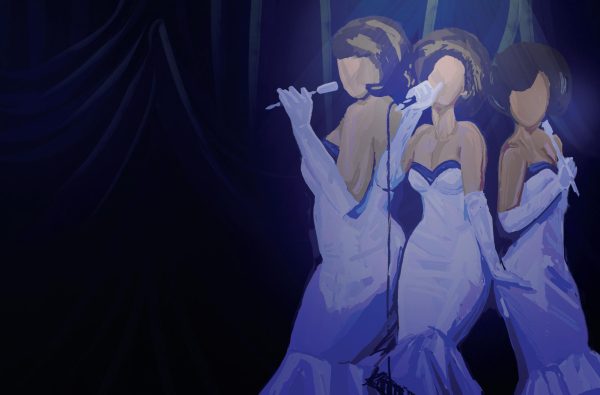
Through overcoming many obstacles, this label became responsible for amplifying many iconic voices from The Supremes to Marvin Gaye and The Jackson 5, along with many other artists. Following Berry Gordy and Motown Records, Black artists who came after found new ways to create their own spaces to manufacture their art and amplify their voices.
In the 1990s, Hollywood was met with a reimagined narrative of Black people in film. There was a surge of Black creatives writing, directing and starring in Hollywood, telling their own stories.
Directors like Spike Lee and John Singleton became household names, creating cult classics such as “She’s Gotta Have It,” “Boyz n the Hood,” “Do the Right Thing” and more. In addition to Black cinema, TV also became a powerful tool for representation , showcasing sitcoms and dramas starring predominantly Black casts.
However, Black creatives laying the foundation for mainstream Hollywood to steal and take credit for was not a foreign concept. In the most notorious instance that is still not widely realized is the whitewashing of sitcoms like “Living Single” like “Friends.” Mass media went on to appreciate “Friends”, turning the show into a zeitgeist, while “Living Single” was simply forgotten.
Nonetheless, we have seen Black culture continue to prevail. In recent years, Black creatives have become powerhouses in producing, writing and directing cinema. From cultural phenomenons such as Ryan Coogler’s “Sinners” and “Black Panther” to Ava DuVernay’s “Selma” to Jordan Peele’s “Get Out,” there is immeasurable impact in Black people not only being shown on the big screen, but also telling their own stories. In films like “Moonlight,” for example, Barry Jenkins tells the painful, tender and sensitive story of Black queerness, a kind of story rarely seen on the big screen.
“Nonetheless, we have seen Black culture continue to prevail.”
A significant ingredient to storytelling is connection and understanding; culture is the essence of what makes the arts incredibly powerful and sincere. It is what makes people feel seen in what they are watching and listening to. That is true representation.
