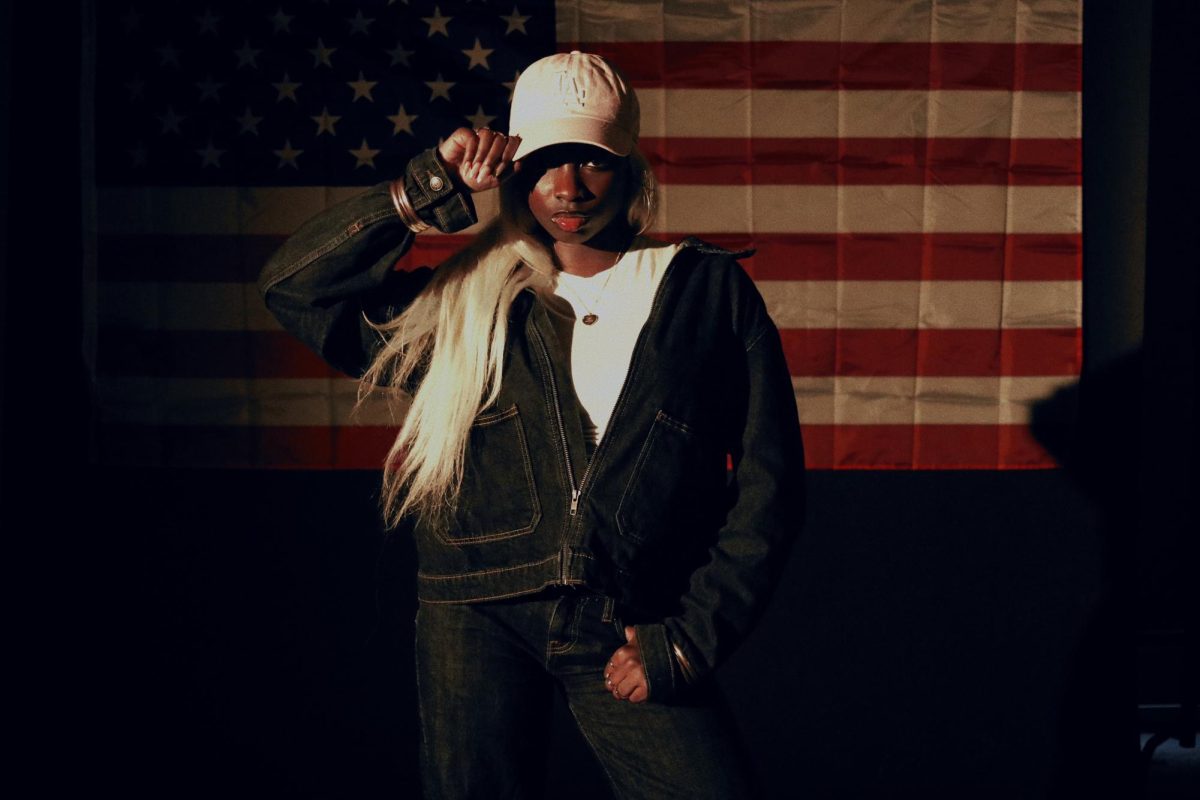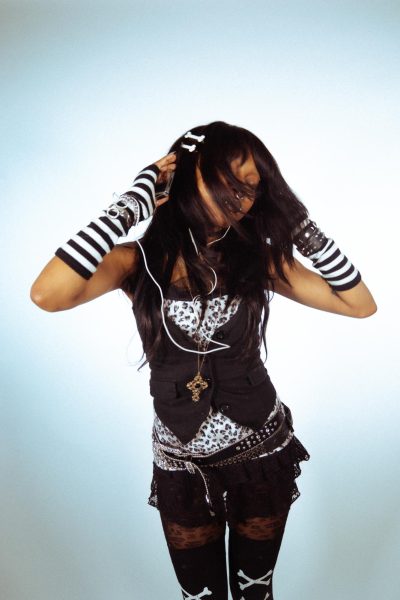
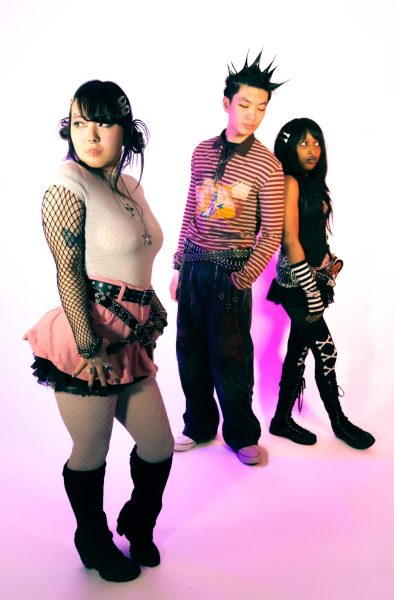
Alternative fashion is steeped in revolution. It is rooted in a desire to embrace unconventionality and challenge societal norms. Yet, despite its ties to the social and political movements of people of color–both in its origin and messaging–so often, alternative styles are attributed to whiteness. But, what is more alternative, more punk, more singular, than being a person of color in America?
Alternativeness is embedded not only in the culture, but in the experiences of people of color in this country, who have always existed outside of the Eurocentric status quo.
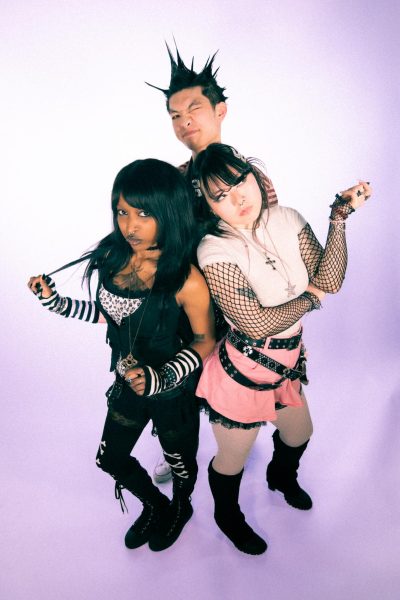
The erasure of people of color from alternative movements began with the counterculture movement.
Counterculture fashion was influenced by Native American and East Asian cultures, usually worn by white, upper-middle-class teens who viewed the movement as a trend rather than a necessary political crusade.
Later, the punk movement emerged in the 1970s in the midst of increasing class divides. Despite the movement claiming to be a safe space for the disenfranchised, Black punk artists and listeners often faced hostility at shows, including racial slurs, pressure to prove “authenticity” and more.
Along with exclusion from white spaces, alternative people of color were also frequently excluded from their own cultural spaces, which looked down on the aesthetic for its perceived proximity to whiteness.
In the 1990s, singer Tina Marie Bell and her husband, Tommy Martin, formed their band “Bam Bam” in the underground scene of Seattle. Their unique sound, a blend of punk and metal, was one of the earliest forms of grunge music.
At one show, an audience member recalled a group hurling slurs at Bell on stage and her response:
“All of the sudden, Bell grabs a microphone stand and she starts swirling it around her head like a lasso… She swung that f*ckin’ thing around her head and about the fourth time, she smashed that son of a b*tch.”
In the 2000s, layered straight hair, printed tights, chokers and black eyeshadow became all the rage.
Many young kids of color identified with emo and scene aesthetics, but were once again met with either ridicule from members of their own cultures or direct racism from those outside of it.
For Vice, Eternity Martis, a self-described “former emo kid,” wrote, “When I tried to talk to other emos—like the few emo kids at school or the ones who worked at the mall—they outright ignored me. I was the epitome of what our beloved music was about—getting subbed.”
Being alternative as a person of color continues to be an act of defiance against societal norms.
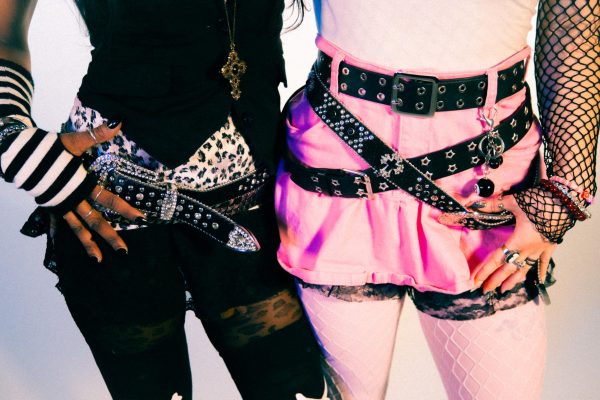
For people of color within this country, alternativeness is not just a stroke of a makeup brush or pieces of fabric, it is a statement–a representation of inner liberation: being oneself despite the machine—the establishment and the status quo—telling you to be anything otherwise.