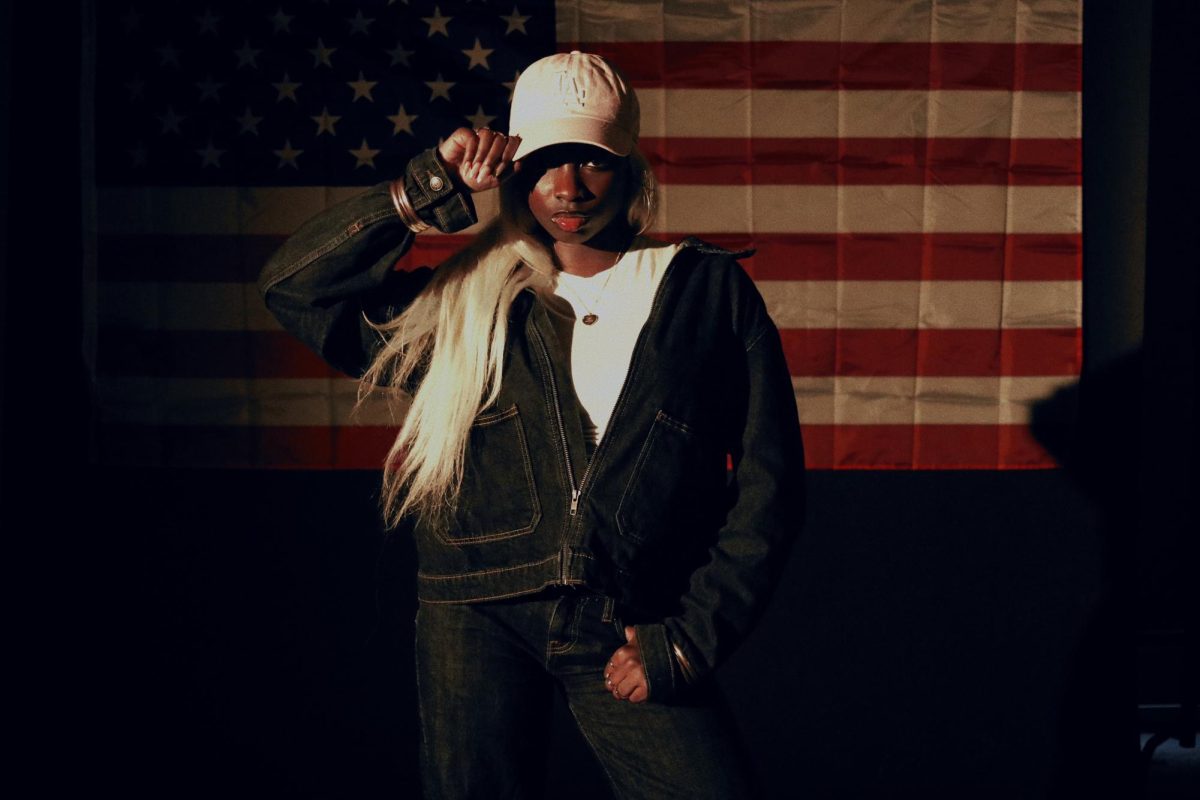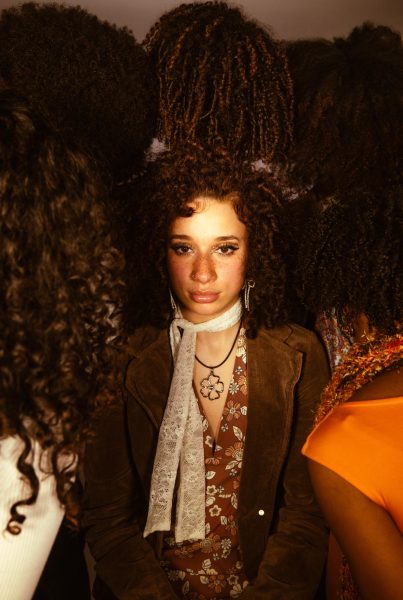
Through events, conversations and even strangers “ I’ve been told I have “good hair.” Supposedly a compliment, but I know what it really means: my texture doesn’t fall into the tightest coils. That moment reminded me of a hierarchy I’ve carried all my life, one that lifts some Black hair textures above others and painfully shows what is considered acceptable.
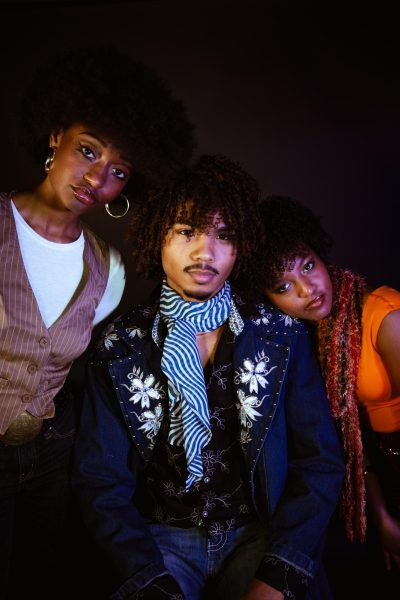
Being told to be ashamed of what grows naturally from your own head isn’t harmless. It sticks with you. It changes how you see yourself and how confident you feel. People brush it off as “just hair,” but it isn’t. Hair is culture. Hair is history. Hair is identity. When someone says “good hair” today, they usually mean textures that look closer to European beauty standards. Tighter coils? Often seen as less desirable. Less acceptable. This is texturism, a bias where straighter, more manageable textures are preferred while coarser textures get judged or overlooked.
“Good hair” didn’t just appear. It grew from slavery. Lighter-skinned enslaved people with straighter hair were sometimes treated better. Coarser textures? Called “rough” or “unkempt.” Words meant to dehumanize, to tell Black people their natural hair was inferior. After slavery, products and tools, hot combs and chemical relaxers, became widespread. Not just for style. For survival. To navigate a world that rewarded closeness to whiteness.
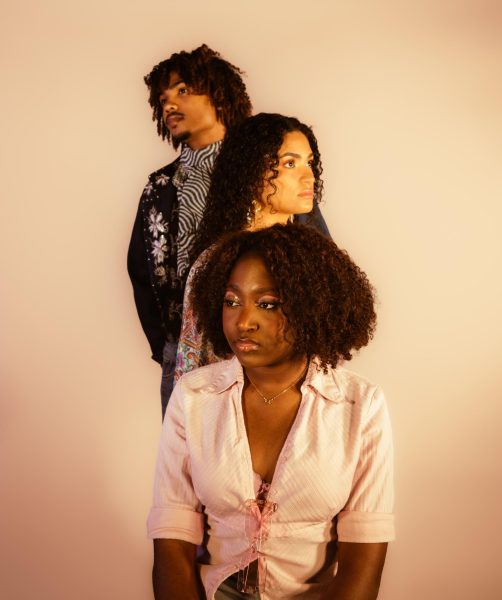
By the mid-20th century, the natural hair movement pushed back. The Afro became a statement. A symbol of pride. A way to show that textured hair wasn’t inferior. Choosing natural hair celebrates creativity, beauty and strength.
Still, hair hierarchies linger. Comments like “you have good hair” signal a narrow standard. Even when meant kindly, they show which textures fit and which do not. Black children still face hair discrimination in schools and workplaces. Many feel pressure to straighten or hide their natural hair to look “professional.” Laws, such as the CROWN Act, protect natural hairstyles, but ultimately show that bias hasn’t gone away, rather bear new words.
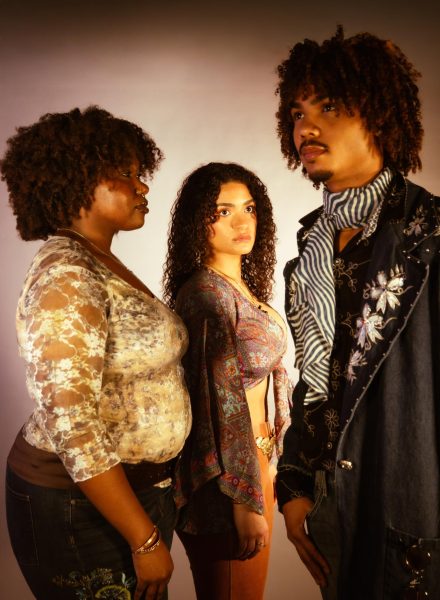
The stigma isn’t only outside the community. It appears inside families, too. Well-meaning comments can reinforce a hierarchy quietly, making tighter coils feel “less than.” The challenge isn’t the hair. It’s how we see it. Unlearning centuries of coded beauty standards takes honesty, reflection and courage. It takes believing all hair textures are worthy, beautiful and valid.
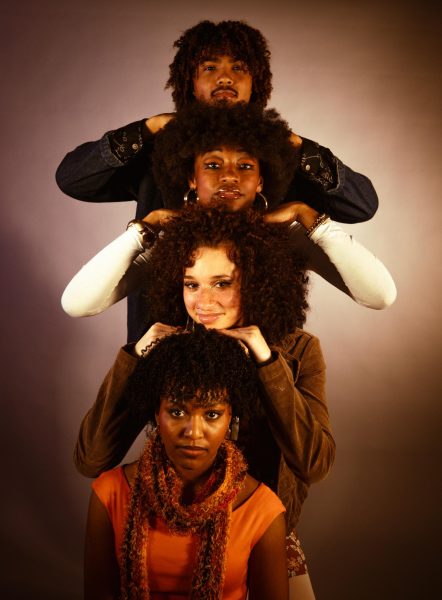
Natural hair, from tight coils to loose curls, is not a problem. Its identity. History. Resilience. Protective styles like braids and twists carry art across generations. We honor that heritage by rejecting hierarchies and the words that uphold them. When we say “good hair,” we have to remember: there is no single standard of beauty. One texture isn’t better than another. What we call “good” is just one of many beautiful forms.