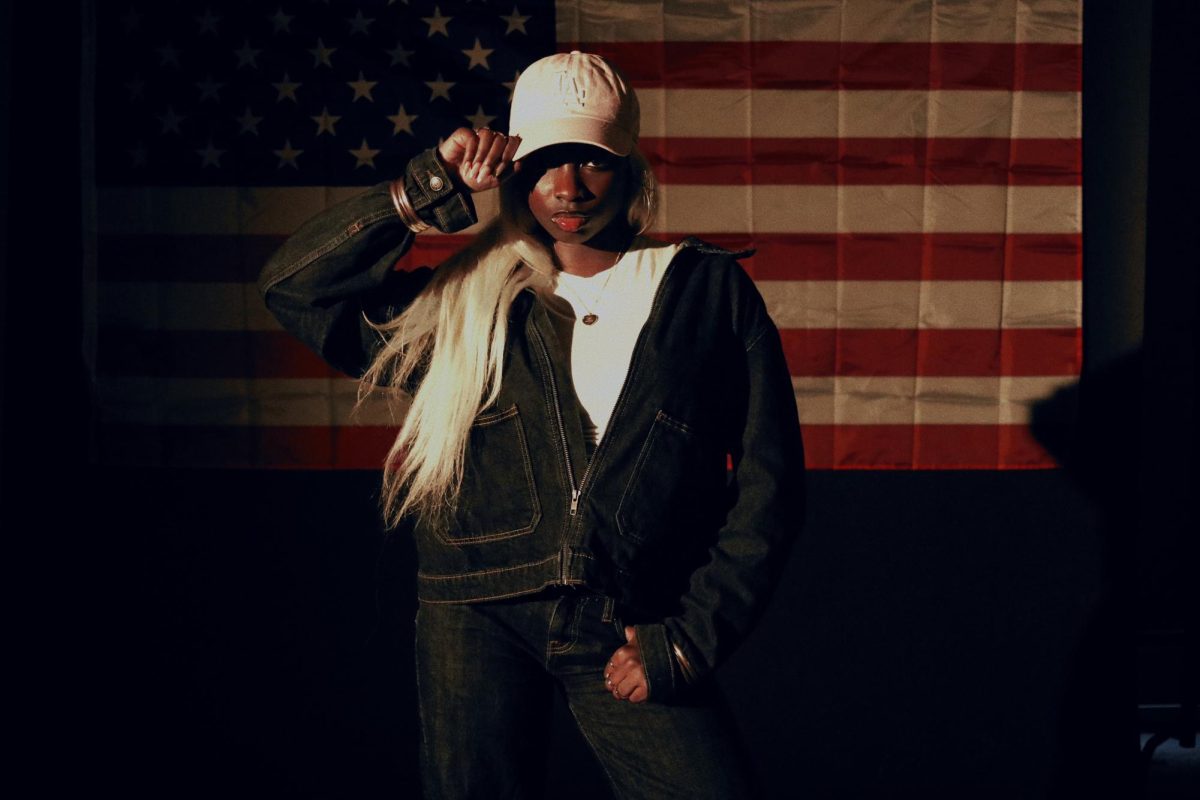
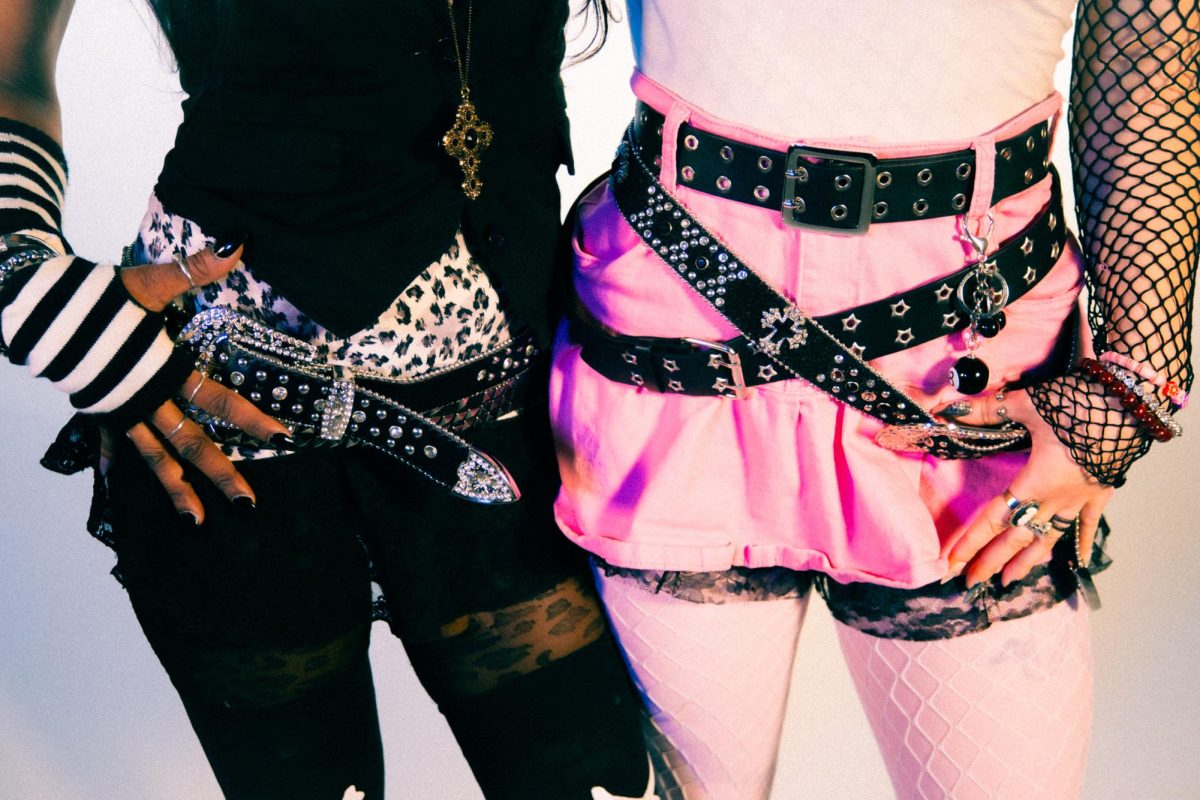
If you’ve ever seen something you liked and said “period” or asked your friend to “spill the tea,” then you’re more familiar with Ballroom culture than you might think. Ballroom is a rich and expressive subculture formed by LGBTQ+ members of the Black and Latino communities due to the combination of homophobia, transphobia and racism of the mid-20th century.
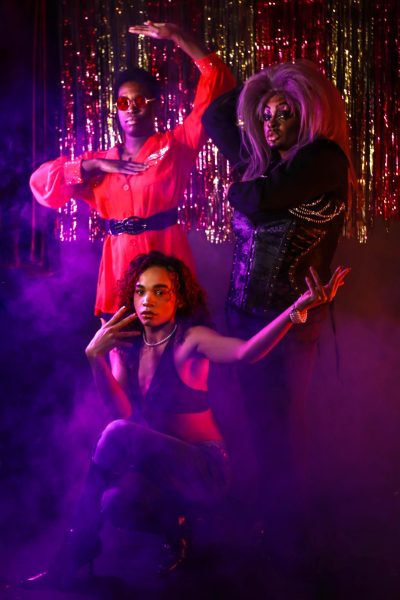
Directly inspired by drag queen pageantry, the ballroom scene originated in the 1960s in New York City after Black/Latino queer and trans people weren’t accepted in white queer circles. What most people don’t know is how much our culture has been directly influenced by the language, artistry and activism of Ballroom culture.
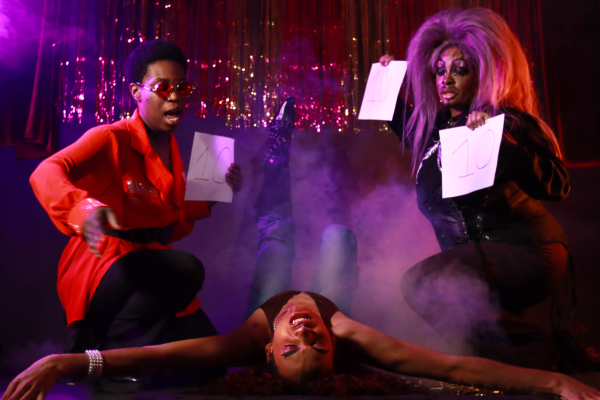
The ballroom scene consisted of variously themed competitions that incorporated dancing, modeling and later lip-sync routines. Ballroom “houses” were led by a house mother or father, who were older, more experienced members of the community.
House mothers often gave young queer and trans teens on the street a place to live, since many were thrown out or left their original homes due to severe intolerance. In return, each house would then walk in the “balls,” where there are categories (such as “body,” “face” and “realness”), with a clear winner decided.
Houses that consistently won gained reputations and were renowned by the whole community, such as the house of Xtravaganza and the Royal House of Labeija, who are still active houses today!
This system was built out of a necessity for survival, yet it became a way for transgender and queer people of color to be seen and celebrated by each other, despite the vast majority of society opposing anyone who wasn’t heteronormative and white.
It wasn’t uncommon for the leaders of prominent houses to lead protests and use their platforms to educate the community on social issues, the most devastating of these issues being the AIDS crisis.
In the 80s alone, the AIDS epidemic killed over 100,000 people in America, yet the Reagan administration was silent for the first several years of the crisis. It was a popular belief at the time that AIDS was a deserved punishment for the LGBTQ+ community, therefore there wasn’t a rush to help anyone who contracted it. It was because of this relentless bigotry that the Ballroom community had to take matters into their own hands.
Prominent houses hosted fundraisers to fund HIV Tests, educated the community on how to avoid contracting the virus and used their performances to promote their activism. It was due to the queer-led protests and organizations, like “ACT UP,” that the US government started to fund more research and eventually medication was made, no longer making HIV a death sentence and saving thousands of lives.
In recent decades, there’s been an increase in visibility for the Ballroom community, starting with Madonna’s “Vogue,” which put a global spotlight on the dance style that originated in Ballroom and more recently, FX’s “Pose,” which details the harsh yet energetic realities of members in the Ballroom community.
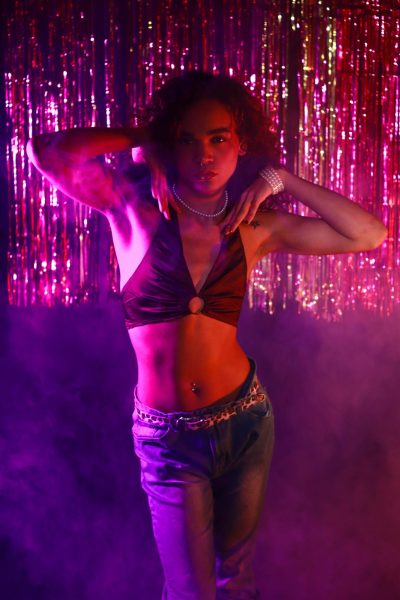
Since slang travels more quickly due to social media, language from the Black/Latino queer communities is more mainstream as well. “Serving,” “Reading,” “Clock it” and so many more phrases are commonly used by younger generations, but most don’t even know the origins of what they’re saying.
What many see as trendy words are a part of a rich culture and the conditions of inequality in which the culture was made should be acknowledged by all who use them.
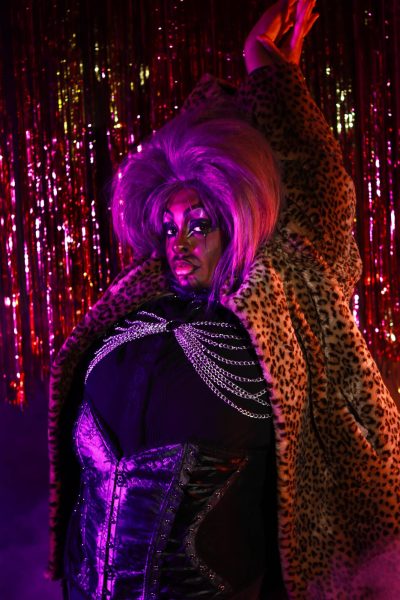
Although visibility is a start, there’s a long way to go in terms of equality for Black trans women who are still disproportionately being murdered, making up over 65% of transgender deaths due to the combination of racism, transphobia, severe poverty and homelessness.
This inhumane violence and systemic oppression must get better, for there’s no true progress for marginalized communities, unless there’s social progress for every oppressed community.
The pioneers and participants of ballroom are iconic and not only because of the trendsetting culture, but also for their activism. Imagine the astounding resilience that’s needed to make a way to live when just existing can cause danger–and doing it with style!