
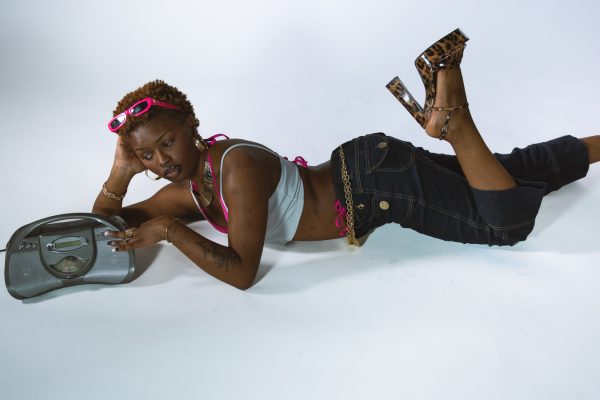
“The female body is no stranger to artistic vision.”
During the Roman Empire, women were immortalized through marble statues–looking nearly perfect at all times. It was relatively rare to see a woman who was beyond the ‘prime’ ages; while men were captured in both young and old ages.
Women in art are usually never offered the privilege of reality and are then subjected to objectification and the idealization of the perfect woman.
While the Roman Empire was nearly 1,500 years ago, women were–and still are–objectified in the media, especially with the rise of the hip-hop music video.
In the late 1980s, when hip-hop was becoming a solo genre/category within music, artists would film de facto videos to accompany their music. The videos depicted the artist, who usually performed slowly, ostentatiously paired with fur coats and gold and diamond rings. As their final accessory, a Black woman, who is the epitome of beauty.
There is no issue with women who are beautiful being in a music video–the objectification of these women is the issue.
For the video vixen, her jeans are tight, the cut is extremely low and there is little room for imagination. She touches the artist in every possible way, seducing both them and the audience.
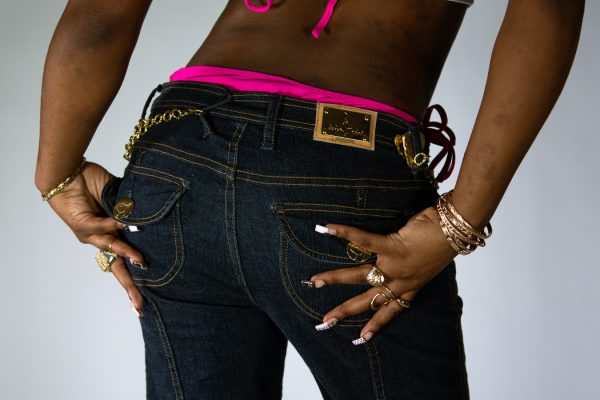
The goal is to create a reason for people to watch the video and they were extremely successful, but conservative audiences questioned their appropriateness.
The questions do not begin and end with just the policing of what women wear, as the conservative argument may believe, but it continues with the ethical implications of the perversion of Black women.
These artists not only objectified the woman’s body and their general attractiveness, but would co-opt it with lyrics that demean women. The lyrics of “‘Baby Got Back” by Sir Mix-a-Lot blatantly sexualizes women. With the introduction of the song, two white women are seen mocking rap figures’ taste:
“…It is so big, she looks like one of those rap guys’ girlfriends…They only talk to her, because she looks like a total prostitute…I mean, ugh, gross. She’s just so Black.”
While they critique the Black women’s sexuality, Sir Mix-A-Lot takes it away with the iconic first verse, “I like big butts and I cannot lie.”
While Mix-A-Lot is admiring the female body, reducing a woman to her body as a male artist maintains systems of power and oppression used against women for centuries.

Black female rappers have found that the only way their talent was taken seriously was by becoming a video vixen themselves.
Foxy Brown, Remy-Ma and even the now controversial, Nicki Minaj, have used objectification to further their careers.
These harmful archetypes and performances in the media have stunted Black culture, specifically the women within this culture. Black women in the media were portrayed as being aggressive, sexual and perpetuating unrealistic body expectations, especially to Black youth. The Black woman was something to be tamed, an idea that justified aggression against Black women.

The Jezebel stereotype, popular in 1990s media, would further this system in which Black women were depicted as aggressive, overly sexual and something to be tamed. This stereotype of also justified domestic and sexual violence against Black women.
Black families are guilty of continuing this cycle, by overpolicing their youth. They say: no shorts shorter than the knees. If you have male company, wear a bra. But your brother can walk shirtless. No box braids or extensions, because you’re not “grown.” Mini press-on nails sold for young girls at Justice and Claire’s would be denied for their immodesty.
By over-policing young Black girls, you instill these harmful stereotypes, and oppress within their own homes.
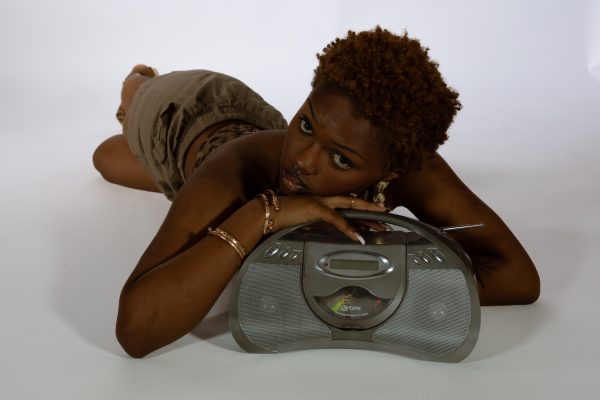
This stereotype, though slowly dying in the mainstream media (as more people realize its effects on Black communities) has affected even modern rappers–such as Megan thee Stallion–who speaks out about her sexuality, reclaiming it as her own rather than an object of desires. She would later get shot in the foot by fellow rapper, Tory Lanez. She survived the incident, but social media outcry claimed she deserved the act of senseless violence because of her sexuality, that she “enticed” him to hurt her.
Sexuality is not grounds to commit violence against Black women and Black youth deserve to feel comfortable in their bodies, without being treated as sex objects.
If there is any note this writer can leave to the Black community, it is to nurture your children; to protect and disarm the harmful stereotypes that keep continuing this systemic objectification and violence.
Black women deserve to be women too–without objectification.
