Every year, fashion’s biggest night happens right at the steps of the Metropolitan Museum of Art. The annual Met Gala is well known for its lavish, over-the-top outfits; however, the 2025 theme, “Superfine: Tailoring Black Style,” highlights the history of fashion, but also the influence of dandyism. This night was more than an annual night’s theme; it was recognition and homage to a style that is an ongoing influence and sacred to a community.
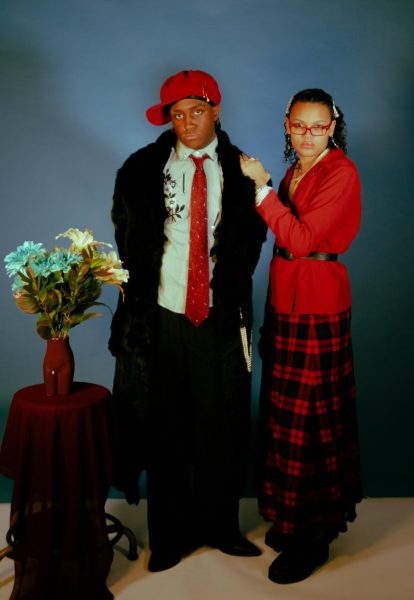
Dandyism first started in Europe during the late eighteenth century. A “dandy” was a man who paid close attention to style and appearance. Fashion was then seen as overly extravagant clothing and accessories that also reflected a person’s wealth. Dandies, on the other hand, favored tailored suits and leather shoes styled with accessories like brooches and cravats. Clothing was not about conformity or wealth but instead an intentional and fashionable way to express individuality.
Although the fashion statement began in European society, it went beyond its origins and was adopted by Black communities around the world. Often referred to as Black dandyism, the style became more than a polished appearance; it became a cultural statement. Black individuals used this fashion statement to challenge ideologies while also having the ability to assert nobility and subjectivity. In doing so, dandyism was no longer a dapper fashion choice but instead a visual representation of resilience and culture.
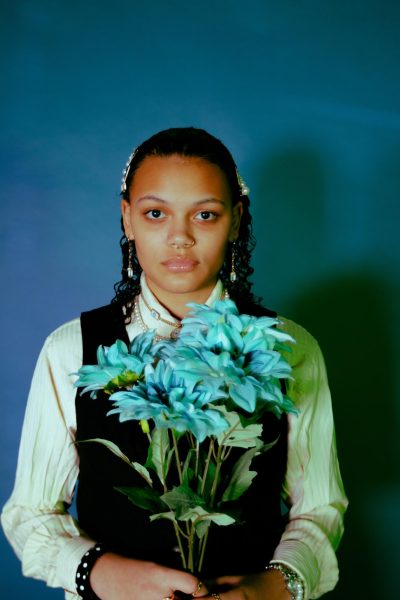
Throughout the twentieth century, the Black dandyism style stood strong within Black communities while making appearances in notable cultural movements. The zoot suit became an essential piece for Black activists. The suit’s large jacket and wide pants became a beacon of resilience in a time of social tension and inequality. The perfected tailoring exemplified how clothing could represent both poise and opposition. Over time, the influential style spread throughout all forms of self-expression, from runways to modern pop culture clothing.
Today, Black dandyism continues to appear on some of the most highly favored fashion stages, similar but not limited to the Met Gala. Fashion designers, along with celebrities, often reinvent the style through gender fluid expression, textured prints, and bold colors. Artists like André 3000, A$AP Rocky and Janelle Monáe are known for embracing and reimagining dandy-inspired fashion. On the red carpet, their looks often consist of suave suits, creative headpieces and eye-catching yet personable accessories that pay homage to the history of dandyism while implementing creativity and personality.

At the Met Gala, these fashion choices are more than just to stay within the theme of the night. It’s the greater meaning of participating in a cultural tradition that accentuates the artistry, intent and influence of Black style. By embracing dandyism, these public figures help bring attention to a legacy where clothing becomes more than threads and fabric but a form of expression, culture and pride.