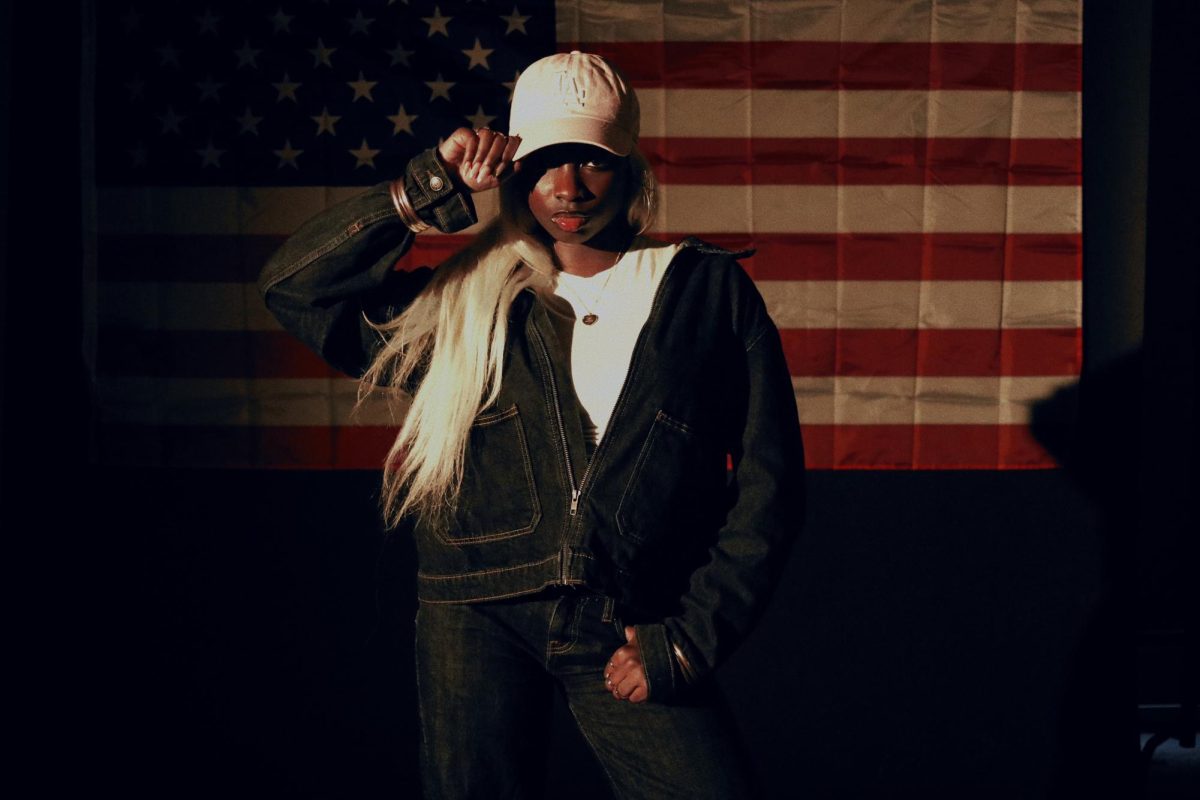
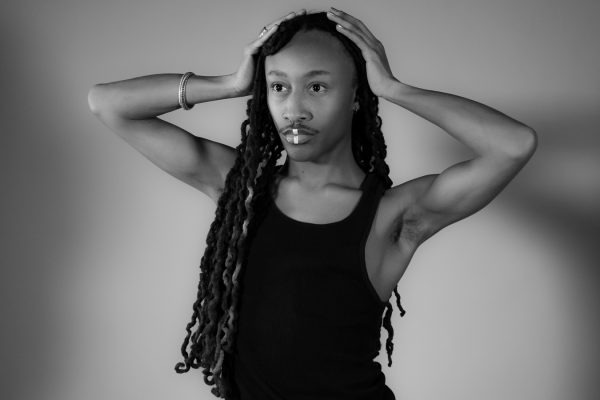
Anthony Richardson, a senior fashion design major, cut his hair for the first time at 20-years-old. He put the clippings in a little baggy for safekeeping because he couldn’t get rid of them.
Richardson loc’d his hair at 8-years-old. After twelve years of growth, they started to get heavy, which can cause thinning at the roots, so he had to cut off some weight.
It was really emotional for him.
“My hair means so much,” Richardson said. “Like this has been a part of me since I came out my mother’s womb.”
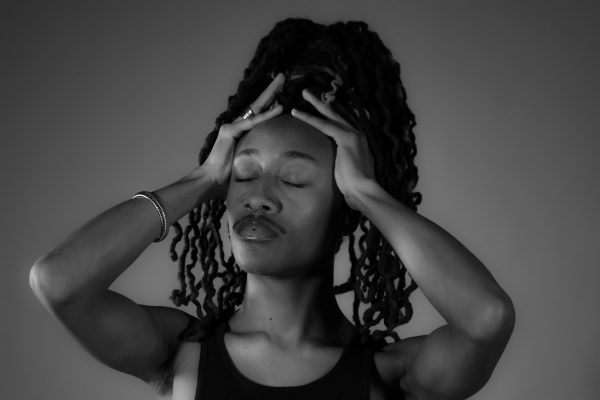
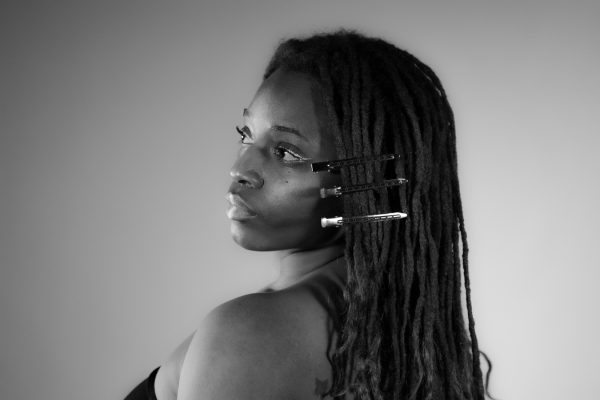
Quren Jarvis, a junior nursing major, is waiting to cut her locs. Once her hair reaches waist length, she plans to cut it into a bob.
Jarvis loc’d her hair five years ago at 16. Initially, she was scared of anything happening to her locs.
After the first loc fell to the floor, “I was like, ‘Oh, oh, period. Cool,’” she said. Then it happened a few more times.
“I think they’ve helped me detach from the importance that my hair once held to me,” she said, adding that hair is just hair.
One reason Richardson and Jarvis decided to loc their hair was easier management, but locs come with their own learning curve.
The first lesson of locs: etymology and, as Richardson said, “addressing our hair correctly.”
“I find more beauty in the word ‘locs,’” Jarvis said. “I think it’s more intentional, and I do think that there is a lot of stigma around having locs, and that’s held a lot in the word ‘dreads.’”
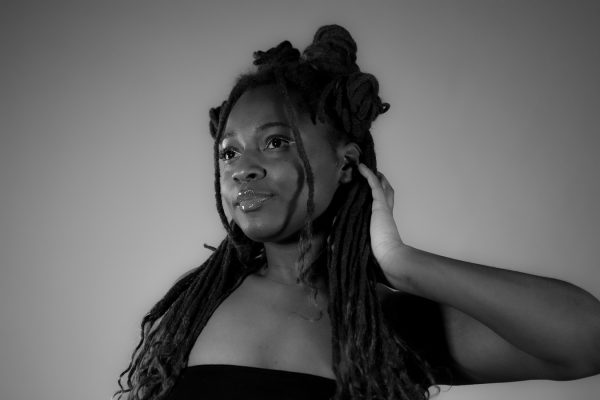
Richardson said the terms “dreads” and “dreadlocks” come with a lot of pain.
Since there is no single origin for “dreadlocks” in the African American community, this pain can stem from Rastafarians in Jamaica being referred to as “dreaded people” in the 1930s, Mau Mau warriors in Kenya resisting British rule in the 1950s and slaves in the Atlantic slave trade being denied hygiene–all with “dreadful” hair according to European standards.
When people outside the loc community use the word “dreads,” it can be used to mean dirty or disgusting, Richardson said. “Locs are not that and have never been that.”
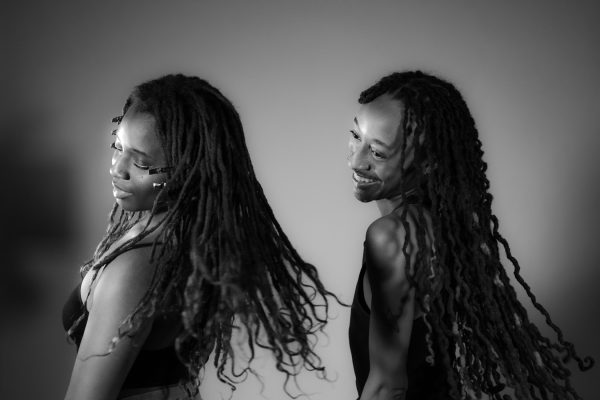
When correcting someone’s use of “dreads,” it doesn’t need to be a formal, sit-down conversation, he said. “It’s, ‘Hey, don’t do that. Don’t say that. This is what they’re called.’”
Jarvis doesn’t understand why some people are apprehensive about using the word locs. If they are, she distances herself from them.
Both have had to put physical distance between themselves and others who try to touch their hair.
Loc lesson two: you will “find more ignorance than anything,” Jarvis said.
Richardson never had any issues with people trying to put their hands in his hair until his freshman and sophomore years at Kent State.
While going out to the frats or bars, white women would come up to him and say: “Oh, my gosh I love your hair.” Then they would reach out to feel it.
“As if I’m a pet. I’m not your dog. I’m not an animal,” Richardson said.
Take a step back, he said. “If you want to ask us about our hair, if you’re actually interested, or you want to compliment us, then just do that.”
However, Jarvis left those interactions in high school and she hasn’t dealt with that in college.
Her interactions with people changed as her locs did. They “dropped” when she came to Kent State and “all of a sudden, I had a little swing,” she said.
Jarvis has run into people who expected her to be interested in crystals and “very tapped in with the earth and whatnot.”
People will also assume she is low-maintenance. “They’re wrong. Incorrect,” she said.
Her locs even impact the type of men that approach her. Specifically, she gets a few more–what she refers to as: “grand rising, Nubian queen type of guys” and men who say, “I like my women natural,” as if telling her that will compel her to talk down on women who don’t tend to wear their natural hair.
“You’re not going to hear slander from my lips. You don’t get brownie points for that,” Jarvis said. She finds that weird.
But maybe not as weird as white Americans who chose to adopt the locs hairstyle.
Loc lesson three: cultural appropriation and audacity.
“I think that ‘dreads’ are the appropriate terminology when I see white people with that style,” Jarvis said.
She attributes all the negative stereotypes of “dreads” to white people who wear them. She knows it’s hypocritical to think so, but she’s working on it.
Richardson said it feels like he’s being punched in the chest when he sees white Americans with locs.
To the ones who argue it’s okay to wear dreadlocks because the Vikings once did, Richardson wants them to “get serious.”
“You’re not a Viking,” he said. “You’re not in the mountains cutting open lions and shit in the snow, dragging around furs on your hips.”
Richardson thinks white Americans wear locs because they think it’s cool and since Black people have it, they can too.
Jarvis described it as an example of people who don black culture and then take it off.
“You’re probably going to comb those out. You’re probably going to cut your hair,” she said. “And then you’re going to go get your nine-to-five when you’re tired of rebelling against mom and dad.”
Richardson emphasized that people fail to understand that not everything has to belong to everyone. “Just deal with your hair. Curl it with your curling iron and move on,” he said.
Jarvis said intentions can be different than what is perceived, but ignorance isn’t an excuse for a lot of actions.
“Cultural appropriation occurs when people feel as though they’re allowed entrance into all spaces,” she said. “And there is a lack of appreciation of where things come from, or other people’s lived experiences in regard to whatever they’re deciding to take as their own.”
To her, cultural appropriation is entitlement and audacity. To Richardson, it’s ignoring cultural significance.
Cultures are not costumes, Richardson said. “I would not want anybody else to feel like I’m overstepping or being disrespectful to them, especially when it comes to their culture.”