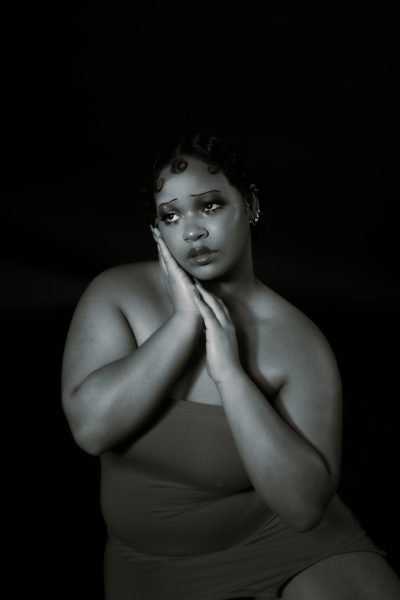
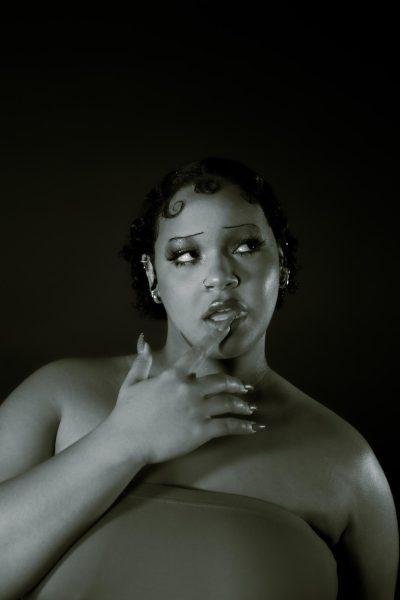
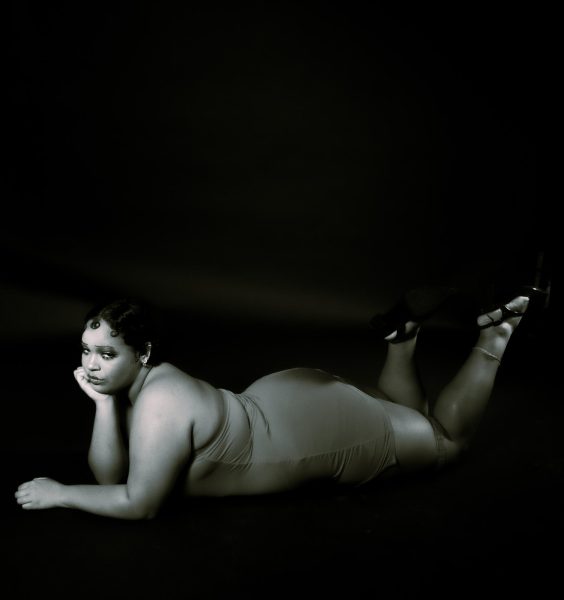
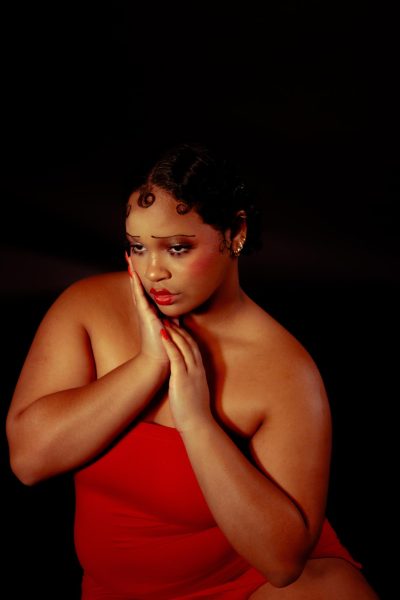
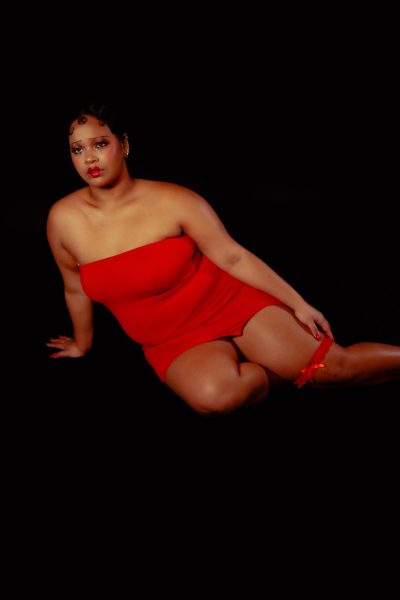
Pale skin, dark lips, and coiffed finger waves, a high pitched voice and playful attitude. You may know her from Saturday cartoon specials, but we know her as Betty Boop.
Betty Boop has become an icon in the modern media. People have tattooed her on their biceps, shirts have been made of her, and she has been referenced as being an icon of women’s sexuality and freedom– as most flapper interpretations do.
Betty Boop was created in 1930 as an attempt to distract the world from the Great Depression. She sang, she danced and she brought hope to a suffering generation.
Between the years of 1901-1927, Florence Mills, a Black cabaret performer, travelled far and wide to show her skills. Mills was extremely successful, becoming a Broadway performer and being a prominent figure in the Harlem Renaissance. Mills pleaded for racial equality and when she passed, Duke Ellington, another figure in the Harlem Renaissance, created a composition just for her titled “Black Beauty”. The New York Times reported that Mills had over 10,000 attendees to her funeral.
Mills served as the inspiration to another Black performer, “Baby” Esther Jones, who had performed in cabarets from the age of six. Instead of words, she would sing in syllables, rolling her eyes and dancing. Mills would say her legendary phrase, ‘boop-oop-a-doop’.
Jones performed for Helen Kane, a white cabaret performer. From Jones’ impact, from that moment, ‘boop-oop-a-doop’ was stolen, and now a Kane classic. When Betty Boop was introduced to society, it was believed by many that Boop was inspired by Kane–and perhaps she was. But Kane was inspired by Jones and several black women in the same field.
Unsurprisingly, Kane did not credit Jones for the iconic phrase that became a key aspect of the iconic character. The creation of Betty Boop is one of the first stories in a long history of exploitation and appropriation against people of color in the entertainment industry.
One of the most proclaimed musical artists in American history, Elvis Presley, stole his signature rock-and-roll sound along with his blues-inspired melodies from marginalized communities in Memphis, Tennessee. In most recent history, artists have also adopted other cultural characteristics from minorities: from Ariana Grande’s hideous blaccent (Black accent) and tan to Nicki Minaj’s ‘Chun-Li’ alter-ego, paired with Minaj dressed inappropriately as an East-Asian woman.
Looks and sounds are not the only thing that can be appropriated, even languages can as well.
People have begun romanticizing languages like Japanese, getting it tattooed along their spines, without knowing the context of the statement within the different language, nor having the energy to research the culture.
Being ethnic has never been a goal or celebrated by the mainstream, but their culture was.
Currently, when politically correct/woke culture is at its height, pleas for reclamation have begun, but one cannot help to think: when culturally inept individuals have run your culture to the ground, should we call it reclamation, or call it what it is– embracing what has always rightfully belonged to you.
Before you consume another piece of pop culture, remind yourself, who is behind it, and the movement behind it. Cultures should not be sold in stores next to Christmas cards, and Black culture is not a commodity you can place on your mantle. Culture is meant to be immersed in.
The story of Betty Boop may not be the beginning nor the end of cultural appropriation. By educating ourselves on cultures, participating, and understanding these identities, we can move forward into a nurturing global community.
But, one thing has definitely changed since Boop’s debut–she is no longer only in black and white, but in color. Like Boop, cultural conversations and dialogue are open, colorful, and forever subject to change. By understanding this, we can be the creators of this change.