So often, you hear, “not everything is about race.” But how could it not be, when this entire country was built on it? Race isn’t a side note in the story of America, it’s part of the soil the American story grew from. The roots of this nation were planted in systems shaped by race, and the fruits we live with today still come from that ground.
How do you ask young people to overlook the past? To dismiss the ways history continues to shape their lives? You can’t ignore the foundation of a garden and expect the fruit to taste different. It’s would be like telling a farmer their work doesn’t matter, that the soil they tended for generations is separate from the fruit it bears. Even when we don’t see it, it shapes everything around us.
When people say, “it happened a long time ago,” or “not everything is about race,” they erase the reality of the soil we still live on. The people directly affected by racist systems are not ancient history. Elizabeth Eckford, one of the Little Rock Nine, faced a mob just for attending school in 1957 and she’s still alive today. The countless individuals forced to drink from “whites only” water fountains, many of them in their 70s and 80s, are still here. This isn’t the distant past.
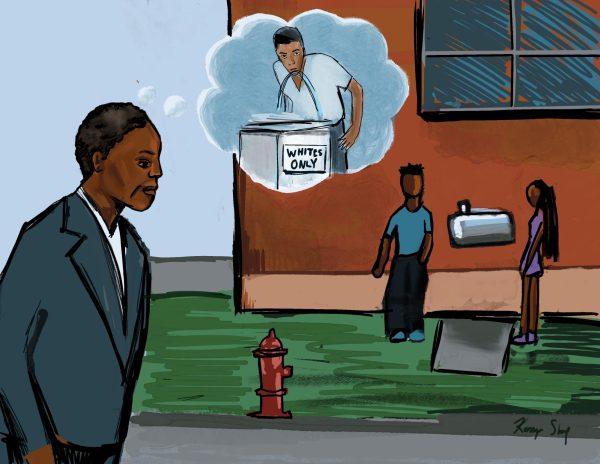
So why is certain pain recognized as “bigger,” while other pain is dismissed or ignored? Why are some stories given a face and a voice, while others are told to “move on”? Why do the people who will never understand the realities of these systems get to decide how we process our own pain?
These are the questions this generation must face. We cannot afford to stay unaware. Spinning the wheel without understanding the history of oppression allows the cycle to continue. How can we change if we don’t first understand what went wrong?
Too many of our brothers and sisters don’t know the chains that shaped their lives, the links they inherited, the weight they carry. How can anyone break free from what they don’t even recognize? This is why valuing our history, our identity, and the truth of where we come from is not optional.
It is up to this generation to make noise that doesn’t fade, that doesn’t quiet itself, to continue the conversations that break the cycle. We have to see our pain as real and valuable, rather than waiting for those in power to tell us what matters.