
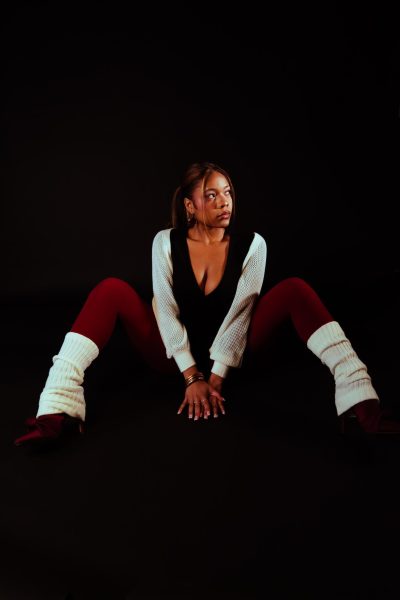
To be a Black woman is to be dissected.
In every moment of our existence, we are laid bare on an operating table. Every aspect of ourselves–our personalities, our desires, our expressions–are critically examined, prodded and ripped apart with sharp tools.
These tools are not scalpels or blades, but they still cut and maim. They break not our skin, but our souls.
Microaggressions.
Misrepresentation.
Appropriation.
Ridicule.
What is left after this operation? How are we meant to function or exist within this world when we are denied the best parts of ourselves?
Are we meant to remain broken?
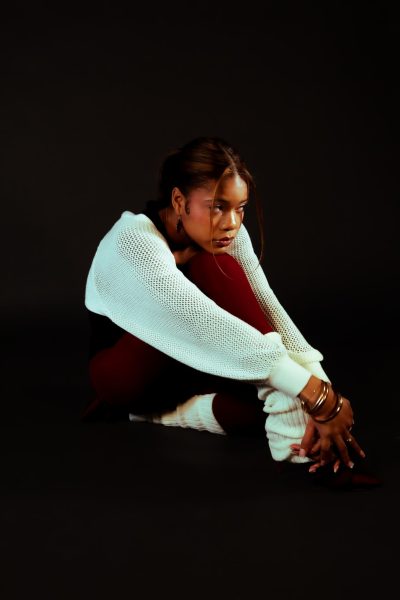
Black women are expected to maintain a near inhuman level of physical and emotional
strength, akin to that of a superhuman you may see in a comic book.
We must be strong, but not too strong—otherwise we will intimidate and threaten our peers.
We must contain our emotions, even in the face of disrespect and humiliation—otherwise we are deemed aggressive and dangerous.
We must never seek help from others for internal or external matters—otherwise, we are weak.
Instead, we are expected to internalize all of our pain and trauma, so as to not burden
anyone else or expose the falsities of the stereotypes placed upon us.
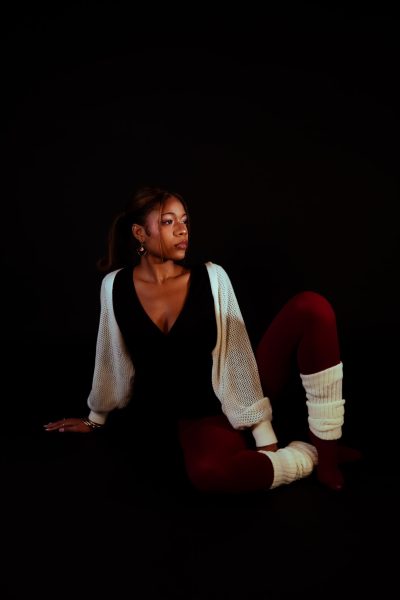
The archetype of the “Strong Black Woman” is not just relegated to our TV screens and popular media; it is a deeply ingrained belief—that some Black women even harbor themselves—that is physically and psychologically harming Black women every day.
According to the CDC, Black women are three times more likely to die from pregnancy-related complications than other groups, with many Black women claiming that hospital workers often ignore their cries of pain as “false alarms” or “exaggerations.”
This particular breed of medical racism stems from the antebellum South, where enslaved women were frequently experimented on by white doctors, as it was widely believed that Black women did not experience pain in the way that others did.
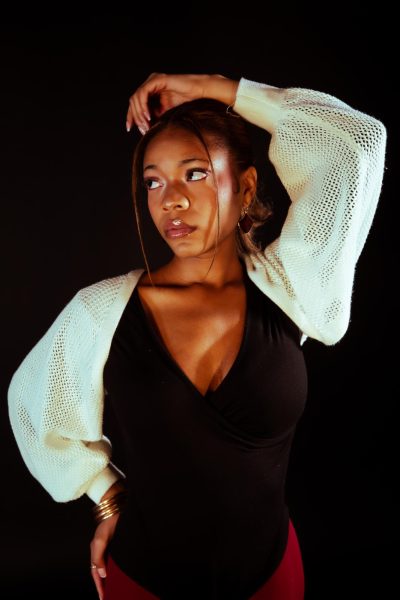
In Bell Hooks’ 1990 novel, “Yearning: Race, Gender and Cultural Politics,” Hooks writes, “In white culture, Black women get to play two roles: We are either the bad girls, the ‘bitches,’ the madwomen seen as threatening and treated badly, or we are the super-mamas, telling it like it is and taking care of everybody, spreading our special magic wherever we go.”
In the process, we become–as Hooks says–a “dehumanized spectacle,” robbed of any agency or autonomy.
Through this spectacle, the lens through which the world sees Black women is heavily skewed. We are either confined within these archetypes or criticized for not embodying them.
After all this cutting and maiming, we are meant to piece ourselves back together. To collect our broken shards and sew them back to make ourselves whole, all for them to be torn out again.
But I can’t always be strong. I can’t always be brave. I can’t always be composed. I can’t always be your shoulder to cry on or your mother figure.
Contrary to what we have been taught, an absence of constant strength is not a sign of weakness, but rather, a sign of humanity.
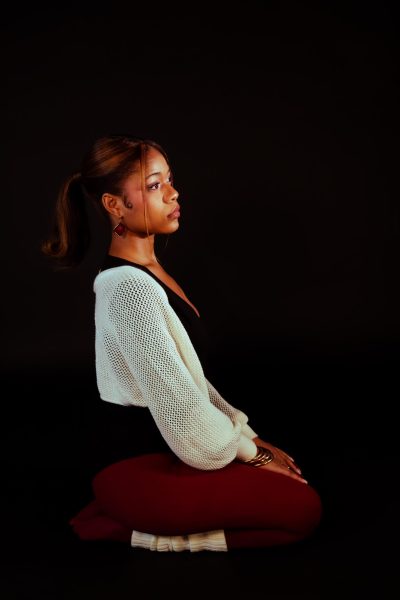
We must allow black women to cry, laugh, smile, frown and shout. We must allow Black women to feel without judgment or retribution.
We must allow Black women to be human. Why have we been treated as anything otherwise?


Shawn Donnelly | Feb 9, 2026 at 8:03 am
Beautifully written and such a clear essay showing what the journey of Black women has been. Kudos to the author, and thank you for expressing so clearly this loved and observed experience.