Across the globe women are an essential link in preserving their cultures. From language to teaching traditional dances, their influence is deeply embedded within society. Apart from domestic lifestyle, women also are reshaping policies and are impacting future proceedings and expectations within their culture. Recognizing women’s contributions to society is also acknowledging not only their resilience but also their commitment to a culture’s history, and we must hold them in high regard as society evolves.
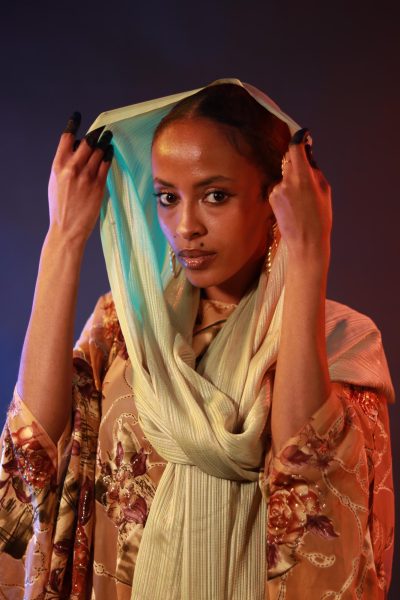
The specific tailored fabric, eye-catching prints, and traditional embroideries of cultural wear go beyond being aesthetically pleasing. In Somali culture, clothing is not just worn as clothing; it tells a story of identity, history, and most importantly, pride. Whether through the intentional draping of a dirac or the symbolic colors, Somali culture is being preserved and lived through by its women every day.
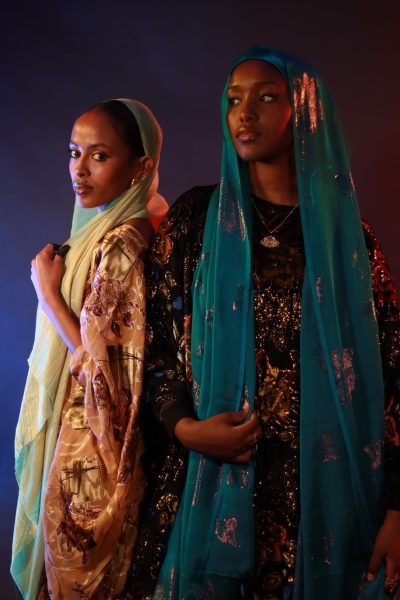
This practice is not intentionally tailored to Somali culture; it is something that is passed down to generations globally. In every culture, women serve as the culture’s keepers by maintaining customs, recipes, and ensuring that traditions do not become a memory of the past but a thing of the present. Women are the first storytellers, helping us identify our own roots before we are able to notice the significance ourselves. Through values, identity, rituals, and customs, they are able to maintain the essence of culture.
For many women, embracing one’s cultural identity is an assertion that their history matters, their voice matters, and that their influence carries an impactful weight for generations.
While women continue on traditional norms and lifestyles, they are also actively guiding the future. Worldwide, women are courageously breaking barriers and taking initiative. They are taking on roles such as educators, activists, caretakers, healers, sometimes all at once. Their contributions go beyond domestic life by influencing politics and economic decisions. Although the work of these influential women often go unrecognized, we must acknowledge that their work has been and will continue to be essential.
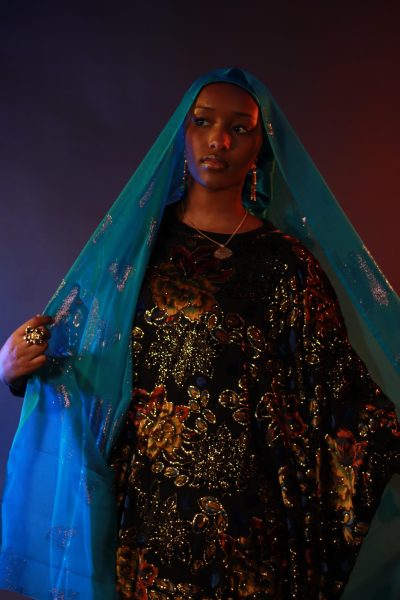
In a world that often pressures women to conform to societal expectations, they continue to embrace the culture to which they commit their livelihoods. They incorporate both tradition and modernity, allowing the creation of new expressions of identity whilst holding the sacred honor of culture within themselves. Although this balance is not always easy, it’s a powerful way of showing that culture is not static. With this guidance, culture continues to evolve and will be carried meaningfully.
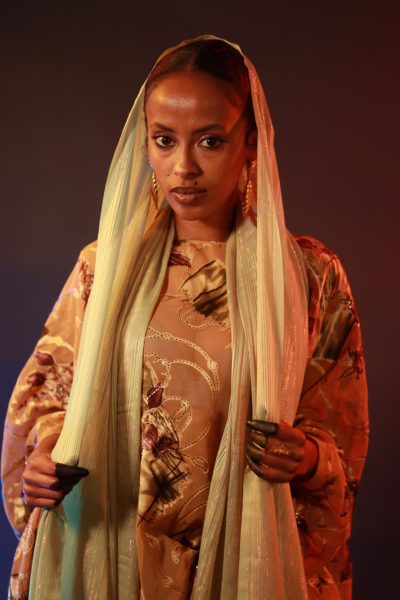
Women from all parts of the world are deserving of the recognition of being both preservers and pioneers of culture. The women who are educating the youth on cultural beliefs are also the women who are leading organizations and challenging injustices. This is an example that culture and progressiveness around the world are not counter-forces; they are interconnected forces continuously being woven together.
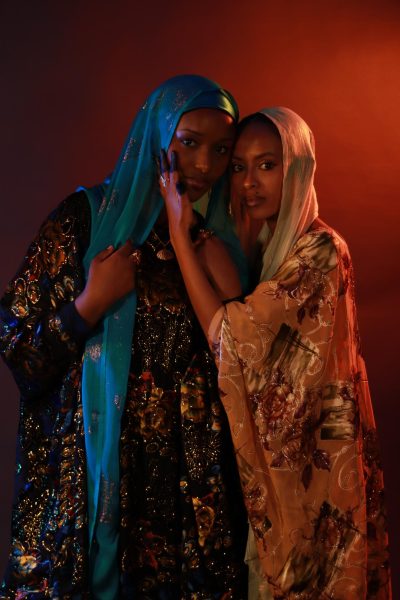
Reflecting on the imagery of Somali heritage and culture reveals a multicentric view of the influence of women. Globally, women, in all their diversity, are redefining strength and making loud impacts in ways that are not always recognized. Their stories are more than deserving of being acknowledged, cited, and celebrated; not just in moments, but always.