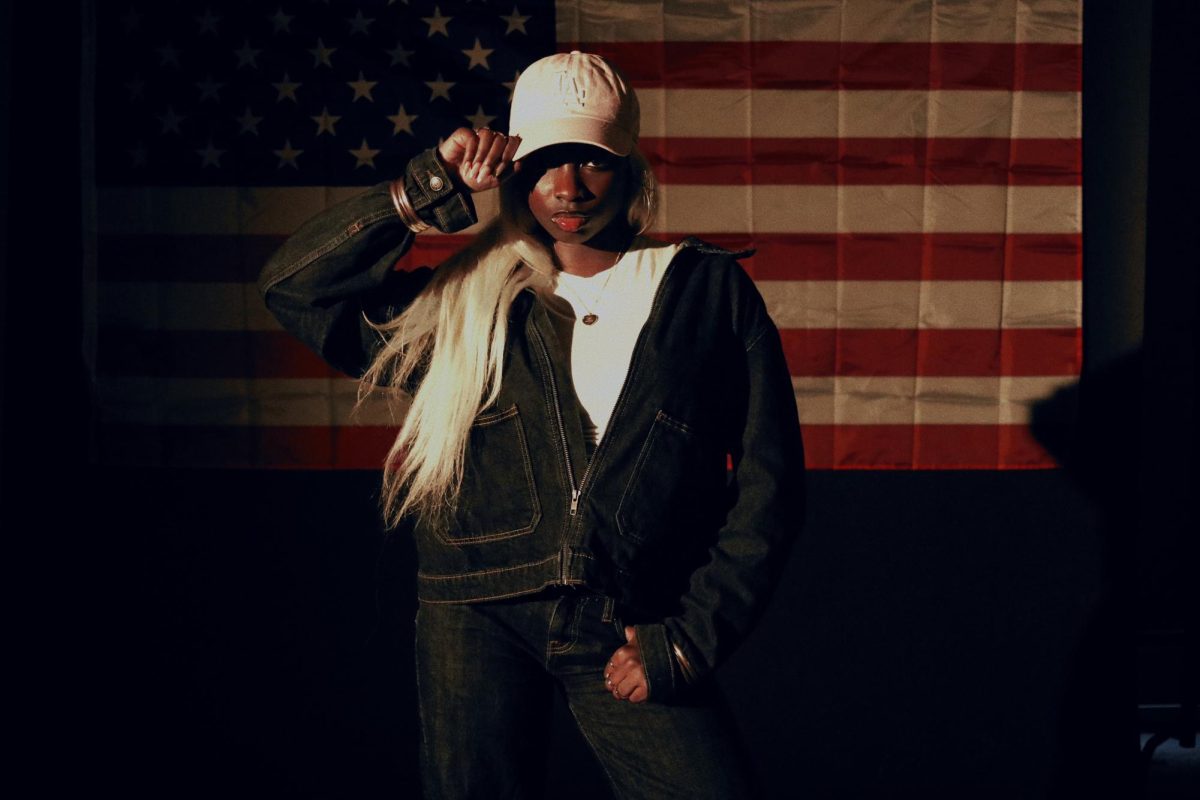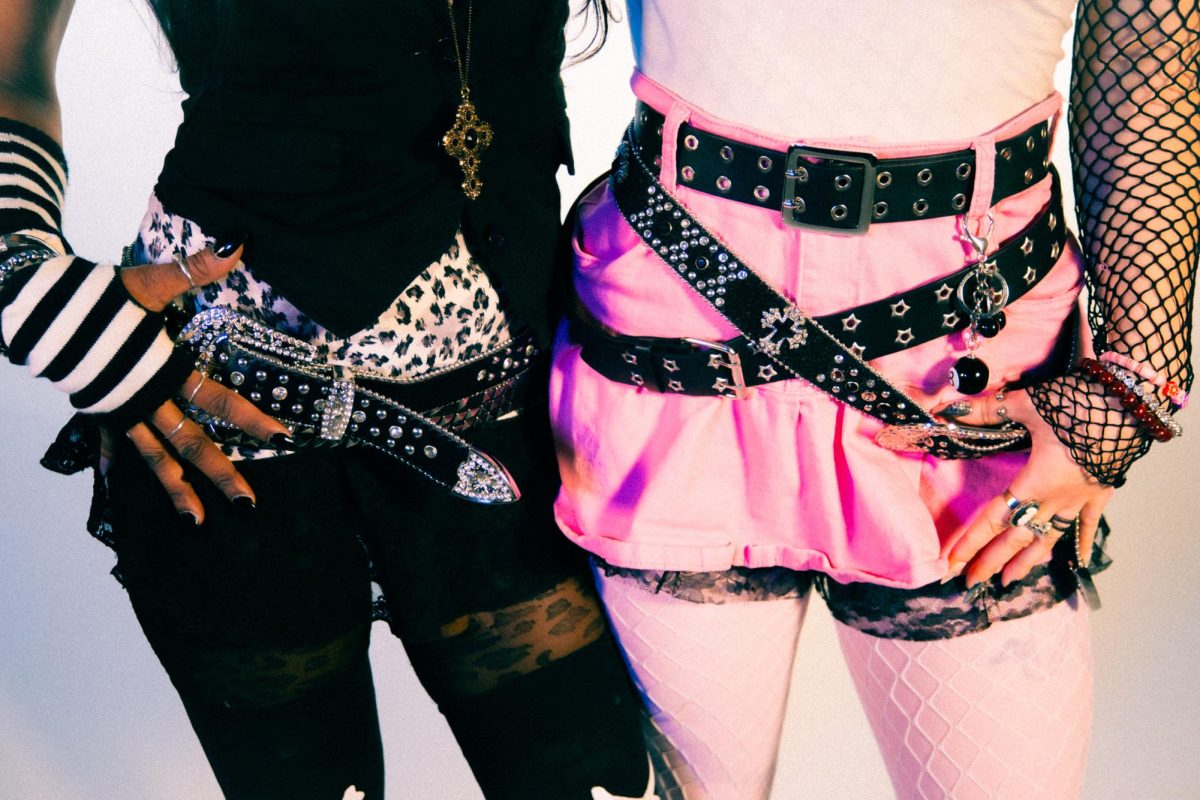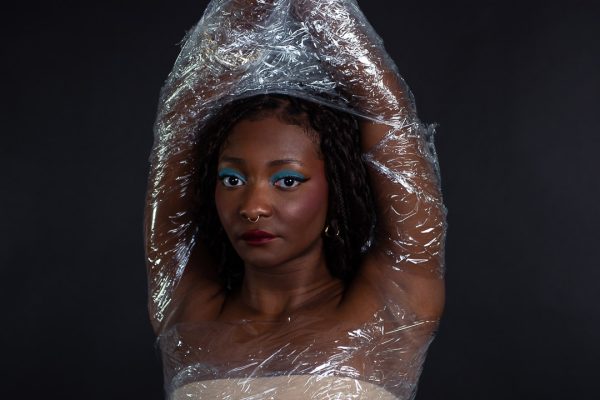
Black women are seen before they are known. Before they are understood, they are seen as bodies. Something that society observes, interprets, and labels. From a young age, Black girls are unable to have innocence.
Instead, they are placed under a heavy gaze that judges their bodies and behaviors. That creates a meaning for them that they cannot understand. For example, young Black girls will be seen as “fast” because of other people’s twisted views and perceptions, not because of their actions.
In moments like this, that young girl becomes something more than a child; she becomes a product for society to judge and consume. This is where the packaging begins.
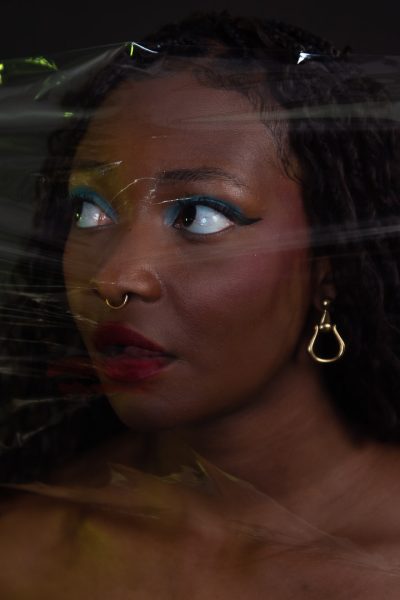
This packaging is a paradox, ironically. Black women are hyper-seen while simultaneously being unseen. Our bodies are constantly consumed and used for media and culture; however, our full autonomy is ignored.
Our curves are admired as trends, but the women who carry them are seen as nothing more than a shape alone. Features are seen as “exotic” as if they are not something of normality but a phenomenon.
Leaving our expressions of identity to be subjected to ridicule. We are not allowed to exist; everything must be analyzed, consumed, or packaged into an aesthetic.
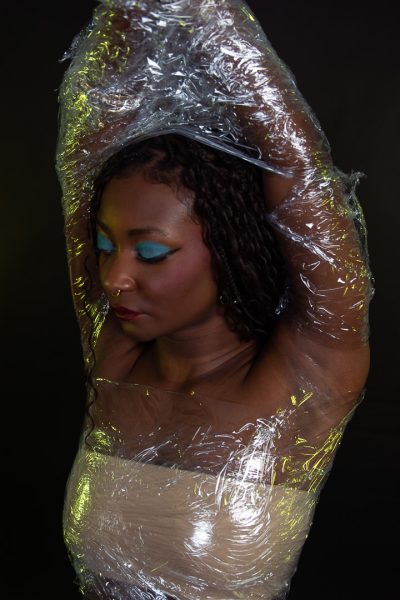
Fetishization, that is often covered up as admiration, creates a distance. It positions Black women to be seen as a collection of physical traits and stereotypes rather than a person. They turn our identity into an aesthetic and a fantasy. This creates a precedent that Black womanhood is desired but not respected. Theyare wanted but are not protected.
This is not a new practice. Historically, Black women’s bodies have been used in systems that placeconsumption of Black women’s bodies over their health. While the structure has changed over the years, the underlying pattern remains the same.
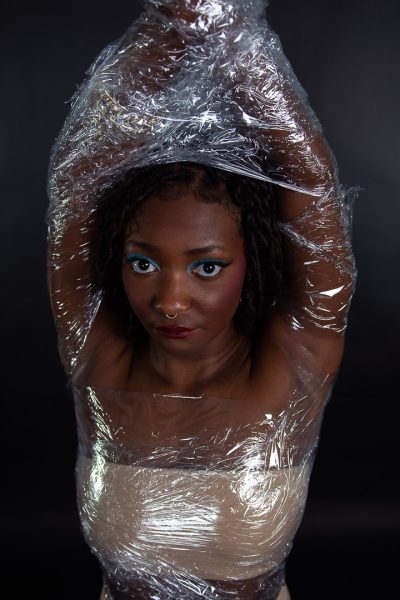
To exist under this gaze is to constantly fight against these narratives and assumptions. We are fighting to be recognized, not just seen. Despite this, Black women continue to reclaim themselves from these systems. They are rejecting these labels and packages, while creating lanes for themselves and other girls to follow in their path.
Please remember that Black women are not products. They are not trends or experiences for society to consume. They are people with beautiful stories waiting to be heard.